Notes for curious makers
Context and history
Is there a single “Asian” style of mechanical design?
No. Japanese temple carpentry, Chinese hydraulic engineering, Korean timekeeping and Indian metal tools developed under different materials, patrons and needs. We name each tradition specifically.
How can I tell an original from a reconstruction?
Check the museum label or catalogue for the date of making. Many famous devices, such as Zhang Heng’s seismoscope, survive only as texts, so every model is a reconstruction.
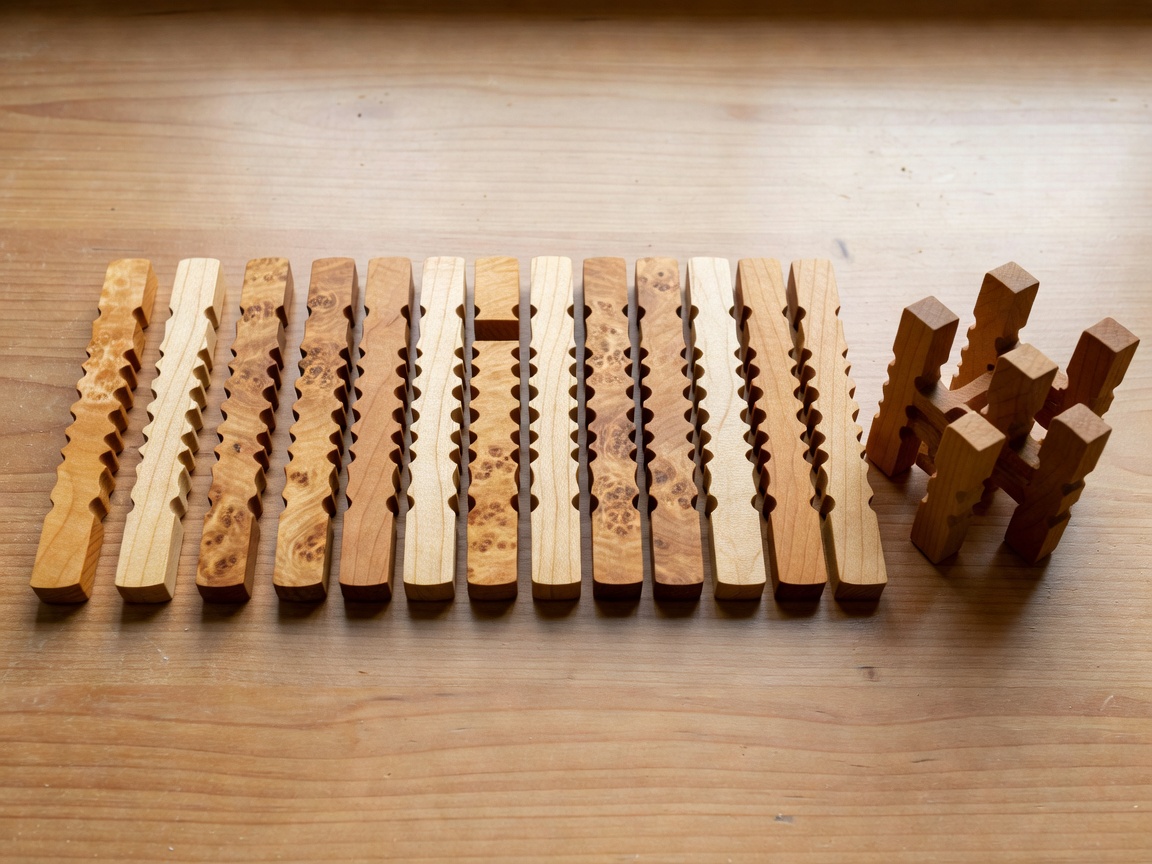
Was the Lu Ban lock really invented by Lu Ban?
The attribution is traditional rather than documented. Lu Ban is a legendary figure associated with carpentry, and many inventions are credited to him by custom.
Where can I see original mechanisms?
Tanaka Hisashige’s Myriad Year Clock is at the National Museum of Nature and Science in Tokyo, and festival karakuri can be seen at the Takayama and Inuyama festivals. Check each venue’s current information before visiting.
Ask the material first
Most build problems are material problems. Before redesigning a mechanism, check grain direction, fibre length, moisture and wear.
At the bench
Do I need Japanese tools to cut traditional joints?
No. Pull saws and kanna planes help with fine work, but any sharp saw, chisel and accurate marking will produce a sound joint.
Which paper should I start with for folding mechanisms?
Use kraft paper for prototypes and long-fibre papers such as kozo washi or hanji for hinges that must flex repeatedly. Score cardstock before folding.
Can I build a karakuri tea-serving doll at home?
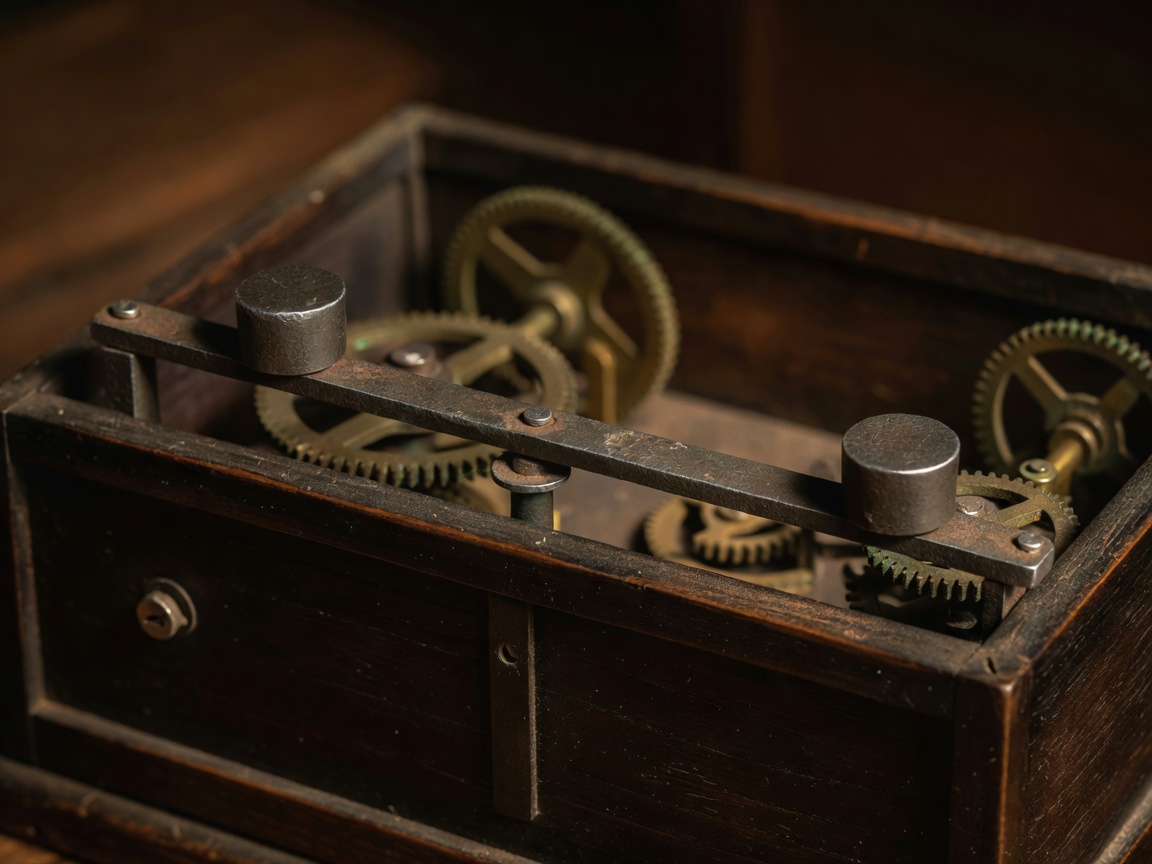
Yes, with patience. Start with a cam-box automaton and a simple gear train, then work toward a spring-driven doll using a modern steel spring in place of baleen.
How do I stop small wooden gears from binding?
Leave slight clearance between teeth, keep shafts parallel, wax rather than oil wooden pivots, and test the train in an open frame before enclosing it.
Still stuck? Send us your observation.